

E-commerce Packaging Guide: How to Reduce Damage, Returns, and Customer Complaints
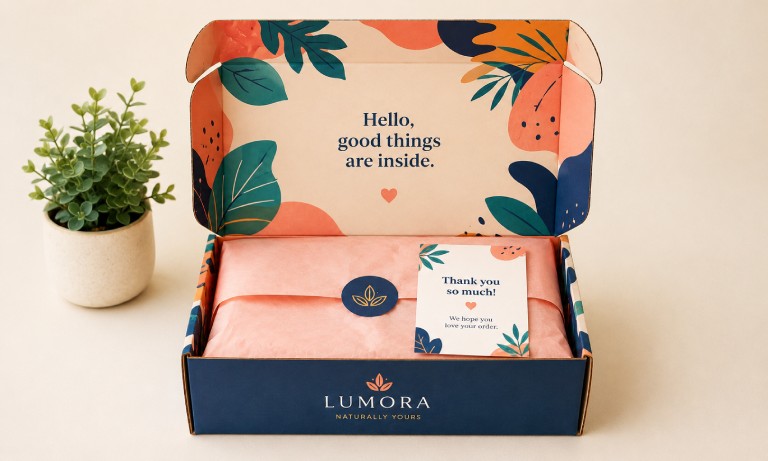
E-commerce packaging should be designed for the full delivery journey, not just for how it looks when packed. A product may leave the warehouse in perfect condition, but if the box is loose, weak, poorly filled, or difficult to open cleanly, the unboxing experience can suffer before the product is even used.
During delivery, the package may be stacked, scanned, sorted, loaded, dropped, and left outside. That means it has to protect the product through real handling while still arriving in a condition that feels professional when opened. For online brands, this can affect damage claims, returns, replacement costs, customer reviews, repeat orders, and overall brand trust. The better question is not only “Does this look good when packed?” but “Will it still look right when the customer opens it after delivery?”
Identify the Packaging Failure Point First
Before choosing a box, identify what usually goes wrong with the product during delivery. This helps you choose packaging based on the actual risk, whether that means movement, breakage, leaking, messy presentation, high shipping cost, or poor customer impression.
|
Product Issue |
Packaging Fix |
|---|---|
|
Product moves inside the box |
Add a fitted insert, divider, or tighter box size |
|
Glass jar breaks |
Use a molded pulp tray, corrugated divider, or stronger outer box |
|
Bottle leaks |
Keep the product upright and separate from other items |
|
Product arrives messy |
Use compartments, wrap, or a printed insert |
|
Shipping cost is high |
Reduce empty space and box dimensions |
|
Customer sees too much filler |
Use a cleaner internal structure |
|
Package feels cheap |
Improve inside print, label placement, or product layout |
Choose Packaging Based on Product Risk Level
Different products need different packaging decisions. A soft apparel item does not require the same packaging as a glass jar, a liquid bottle, or a multi-product gift set.
Low-Risk Products: Soft goods, apparel, fabric items, flat accessories, and lightweight non-fragile products may use mailer boxes, paper mailers, sleeves, or simple branded packaging. The main focus is size control, moisture exposure, and presentation. These products usually do not need heavy inserts, but they still need packaging that feels clean and intentional when opened.
Medium-Risk Products: Cosmetics, skincare tubes, supplement bottles, boxed candles, small kits, and retail products need better structure and organization. These products often benefit from corrugated mailer boxes, product boxes, paperboard inserts, sleeves, labels, or tissue wrap. The goal is to stop the product from shifting while keeping the package easy to open and visually organized.
High-Risk Products: Glass jars, candle jars, perfume bottles, food bottles, liquid products, electronics, ceramics, and multi-product sets need stronger protection. These products may require corrugated boxes, molded-pulp trays, corrugated dividers, foam inserts, or double-boxing, depending on the product's weight, fragility, and shipping method. For high-risk products, loose filler alone is usually not enough.
Match the Packaging to the Order Type
E-commerce orders are not always packed the same way. A single-product order, a multi-product order, a subscription box, and a gift order may each require a different packaging setup because the product layout, movement risk, and customer expectations differ.
Single Product Orders: A single product order should use a close-fit mailer, carton, or shipping box that limits movement without adding excessive filler. If the product is fragile, glass-based, or liquid-filled, it may still need an insert, divider, or protective wrap.
Multi-Product Orders: Multi-product orders need separation. Products should not collide, scratch, leak onto one another, or arrive in a messy arrangement. Structured dividers and box inserts help keep each item separated and secure.
Subscription Boxes: Subscription boxes often include products with different shapes, sizes, and weights. Heavier items should sit securely, fragile items should not press against lighter products, and the final layout should still look organized when the box is opened.
Gift Orders: Gift orders need both protection and presentation. Printed packaging insert, sleeves, tissue, or organized compartments can improve the reveal without making the packaging structure too complicated.
Design the Inside of the Box First
Many brands focus on the outside of the box first, but in e-commerce, the inside often creates the strongest impression on customers. When the package is opened, the product should be easy to see, properly positioned, and arranged intentionally.
If products are loose, tilted, buried under filler, or facing different directions, the package can feel less professional even if the outside print looks good. Before production, check that the main product label is visible, that the product stays in place, and that the filler supports the item rather than hiding it. A good inside layout can make even a simple mailer box feel more complete, organized, and customer-ready.
Design Packaging for First Impressions and Repeat Orders
For first-time customers, packaging should build trust quickly. The order should arrive clean, organized, and easy to understand. A neat product reveal, a visible label, and a secure product fit can help the customer feel confident in the brand.
For repeat customers, packaging should stay consistent, efficient, and reliable without adding unnecessary cost to every shipment. Repeat orders do not always need the most premium presentation, but they should still arrive safely and look professional.
The best e-commerce packaging balances first-order impact with long-term fulfillment practicality.
Reduce Returns by Testing the Packed Box
Before full production, test the packaging with the actual product. A box that looks correct on screen may still fail when packed. Basic checks include:
- Shake the packed box gently and listen for movement.
- Check whether products touch each other.
- Check if labels rub against inserts or box walls.
- Confirm caps, lids, pumps, or glass corners are protected.
- Open the box like a customer and check the first impression.
- Compare the packed size against the shipping cost.
Testing helps identify problems before they become customer complaints, returns, or replacement costs.
E-commerce Packaging Solutions by Product Category
Different product categories fail in different ways during delivery. A skincare bottle may leak, a candle jar may crack, and a subscription box may arrive messy if the internal layout is poorly planned. The table below shows common packaging risks and practical ways to reduce them.
|
Product Category |
Common E-commerce Risk |
Practical Packaging Approach |
|---|---|---|
|
Skincare bottles |
Leaks, movement, label rubbing |
Upright insert, tight mailer, cap protection |
|
Candle jars |
Glass breakage, jar movement |
Molded pulp tray, corrugated divider, stronger box |
|
Food jars |
Product-to-product contact |
Corrugated dividers, snug outer carton, clear label placement |
|
Apparel |
Oversized packaging, poor presentation |
Right-size mailer, tissue wrap, branded label |
|
Subscription boxes |
Mixed items shifting |
Compartments, grouped layout, product weight planning |
|
Electronics accessories |
Scratches, tangled parts |
Molded tray, foam insert, separate cable space |
|
Gift sets |
Poor reveal, product disorder |
Rigid or mailer kit with insert and planned opening layout |
Use these examples as a starting point, then test the final box, insert, filler, and product layout with an actual packed sample.
Common E-commerce Packaging Mistakes
One common issue is choosing a box solely based on product dimensions. Size matters, but e-commerce packaging also needs to account for product weight, fragility, and handling during delivery.
Another issue is overreliance on loose filler. Void fill can help, but bottles, jars, candles, electronics, and product sets often need structured internal support.
Brands can also run into problems when heavy items are packed alongside fragile products, decoration is chosen before testing, or a single box size is used for too many order types. The best e-commerce packaging is not always the most decorative option; it is the one that arrives in the condition the customer expects.
Use Branded Packaging Where It Adds Value
First-time customers use packaging as part of their first judgment of the brand. The order should arrive securely, be easy to understand, and professionally presented, so the customer feels confident about the product before they use it. This does not always require expensive packaging; even a clean mailer, visible product placement, and a simple branded label can make the first delivery feel more reliable.
Repeat orders need a slightly different balance. Once the customer already knows the brand, packaging should stay consistent, efficient, and reliable without adding unnecessary cost to every shipment. This may mean using the same box structure, label system, insert layout, or packing method so every order feels familiar and dependable.
The best packaging creates a strong first impression while remaining practical for ongoing fulfillment. It should help win trust on the first order and support efficient repeat shipping as the business grows.
Need Help Improving E-commerce Packaging?
Packagingblue can help review your current e-commerce packaging based on product size, shipping method, damage risk, order type, and unboxing experience. Whether you need corrugated mailer boxes, shipping boxes, paperboard inserts, molded pulp trays, corrugated dividers, printed labels, or branded packaging, the structure should be built around how the product moves through the delivery process.
Share your product details, order type, packaging size, quantity, and any delivery issues you are experiencing. Our team can help recommend packaging that improves product fit, creates a stronger first impression when opened, and supports a more reliable post-delivery experience.
FAQs About E-commerce Packaging
Q: What is the best packaging for e-commerce orders?
A: The best e-commerce packaging depends on the product risk level. Non-fragile items may need a simple mailer, while glass, jars, liquids, electronics, and product sets may need inserts, dividers, molded trays, or stronger outer boxes.
Q: How can e-commerce packaging reduce returns?
A: E-commerce packaging can reduce returns by controlling product fit, protecting fragile areas, separating items, and improving box strength during delivery.
Q: Do all e-commerce boxes need inserts?
A: No. Inserts are useful when products can move, collide, leak, scratch, or look messy inside the box. Soft goods and non-fragile products may not need inserts, but fragile or multi-item orders often benefit from internal support.
Q: What is the difference between shipping protection and unboxing experience?
A: Shipping protection keeps the product safe during delivery. Unboxing experience controls how the product looks and feels when the customer opens the package. Good e-commerce packaging should handle both.
Q: What packaging is best for fragile e-commerce products?
A: Fragile products require a stronger outer box and a custom packaging insert. The best packaging structure depends on product weight, shape, fragility, and shipping method.
Packaging Design & Printing Services
Packagingblue offers customized commercial printing solutions to meet your business needs. Our expert team delivers top-notch design and printing services that exceed expectations. Contact us today for a free consultation.