Custom Retail Packaging: Branded Boxes, Bags Inserts That Sell
Retail packaging is the printed and structural packaging that holds, protects, and brands a product at the point of sale and in the customer's hands. When done well, it does three jobs at once: it grabs attention on a shelf or in a feed, it protects the product during shipping and handling, and it turns a plain purchase into a branded experience that earns repeat customers.
Why retail packaging is worth getting right
Packaging is the first physical thing a customer touches, so it carries more weight than almost any other brand asset. The best retail packaging works on three levels:
Attract: stand out at the point of sale: On a crowded shelf or a fast-scrolling marketplace, distinct structure, color, and finish are what stop the eye. Consistent design across your range, same logo treatment, same palette, same unboxing feel, compounds into recognition, so a returning customer spots you before they read the label.
Protect: survive the supply chain: Packaging must withstand stacking, drops, humidity, and the realities of last-mile delivery. The right material and construction prevent damage, returns, and the bad first impression of a crushed box. It should also be easy to open; frustration-free packaging is a real, measurable driver of repeat purchase.
Brand: turn unboxing into loyalty: Beyond looks, packaging is communication. It's room for your story, sustainability commitments, usage instructions, and thoughtful finishing touches. When developing retail packaging, we encourage brands to consider what customers experience after opening the box. Details such as printed interiors, organized inserts, and branded messages often leave a stronger lasting impression than adding another decorative finish to the exterior.
Types of retail packaging (and when to use each)
Different products need different packaging. Here's a quick guide to the main formats.
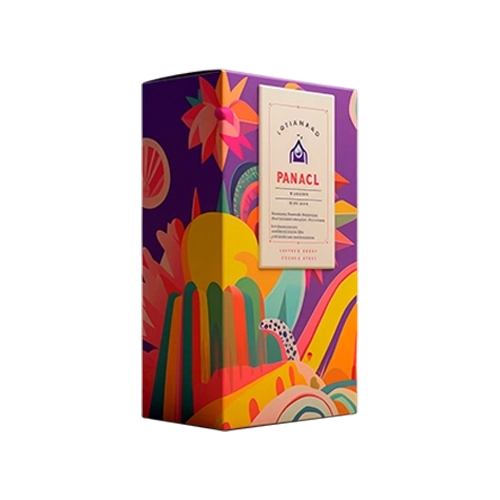
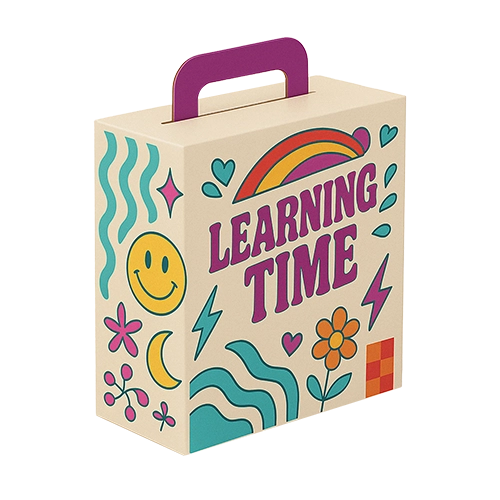
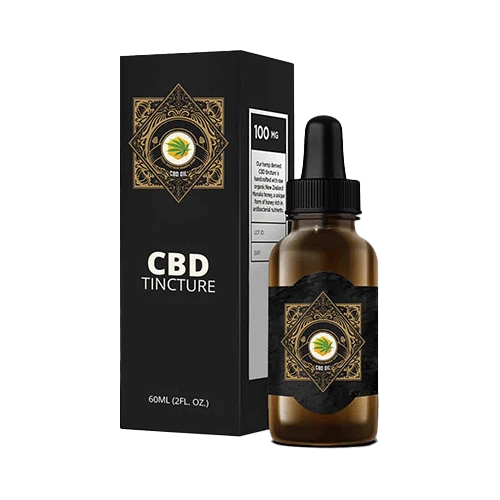
Folding cartons/product boxes: Lightweight paperboard boxes shipped flat, the workhorse of retail. Best for electronics, cosmetics, food, and general retail. Folding carton product boxes are the most economical packaging option.
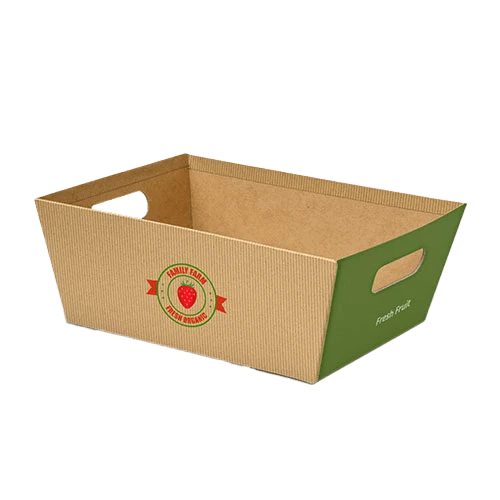
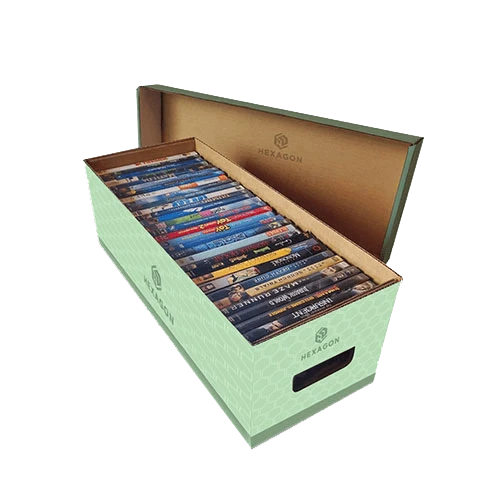
Corrugated & mailer boxes: Sturdy corrugated board built for the supply chain. Best for e-commerce shipping and heavier or fragile items. Low cost.
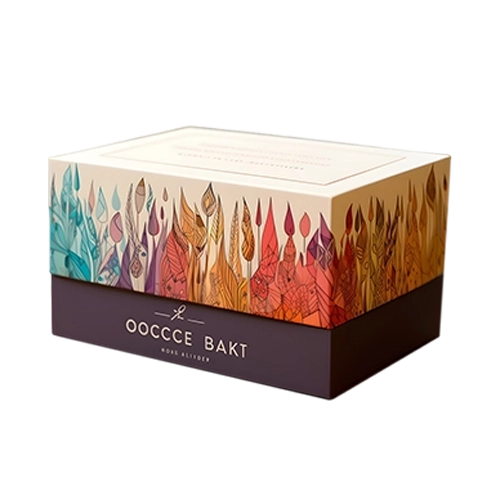
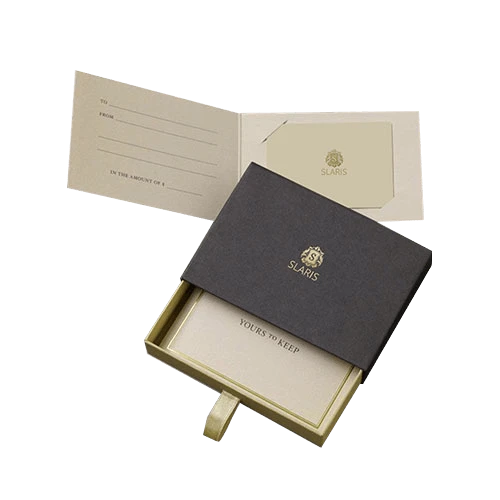
Rigid (setup) boxes: Thick greyboard with a wrapped finish for a premium, substantial feel. Rigid boxes are best for luxury goods and gifting. Our premium packaging option.
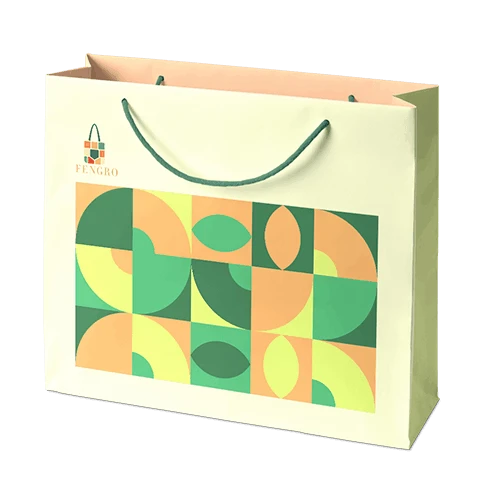
Shopping & retail bags: Paper, kraft, or poly bags that double as walking brand visibility. Best for apparel and in-store carry. Mid cost.
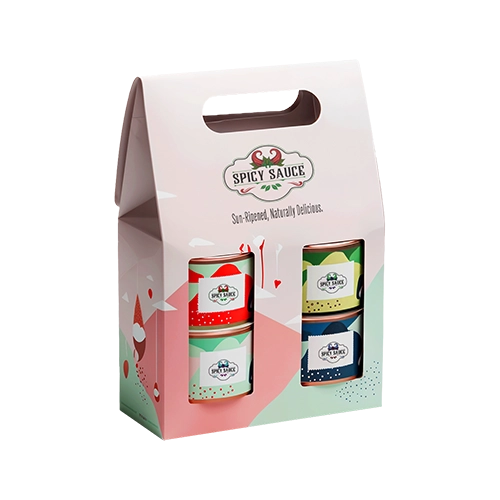
Display boxes: Designed to merchandise products on a counter or shelf. Best for impulse and point-of-sale items. Mid cost.
Sleeves and Belly bands: A printed band that adds branding over an additional box or product itself. Packaging sleeves work as a low-cost secondary packaging layer.
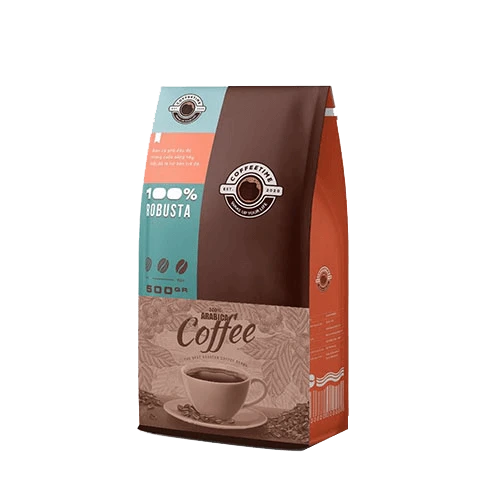
Flexible packaging & pouches: Stand-up pouches and flexible bags designed for food, coffee, supplements, and consumer products. Pouches and mylar bags are lightweight and space-efficient with excellent shelf presence.
Blister & clamshell packs: Clear plastic packaging with a printed backing card to maximize product visibility and enhance tamper resistance. Ideal for batteries, cosmetics, hardware, and small consumer products.
Tube packaging: Cylindrical kraft or rigid tubes designed for premium retail presentation and product protection. Ideal for cosmetics, beverages, candles, posters, and luxury gifts.
Eco-friendly packaging: Designed for brands looking to reduce environmental impact through smarter material choices, right-sized packaging, and recyclable solutions while maintaining durability and retail presentation.
Not sure which fits? Tell us your product, target quantity, and budget, and we'll recommend a format.
Retail packaging requirements vary by industry. Cosmetics packaging often prioritizes shelf appeal and premium finishes; food packaging focuses on compliance and freshness; electronics require additional structural protection; and apparel brands frequently combine folding cartons, sleeves, and shopping bags to create a consistent customer experience.
Accessories that finish the unboxing
The package is the headline; accessories are what make it memorable. Most can be added at low cost and with no MOQ. Packaging accessories are often the smallest part of the packaging budget, but they significantly improve product protection, presentation, and the customer experience.
Custom tissue paper — Adds a layer of protection and a "reveal" moment when the box opens. Low MOQ with a big lift in perceived value.
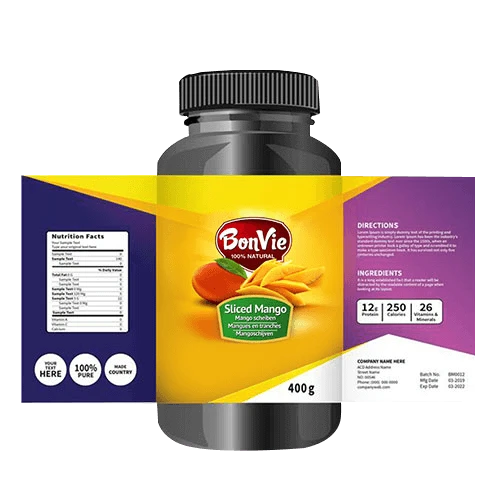
Stickers & product labels — Seal the package and carry branding, batch, or product info. The cheapest way to brand otherwise-plain stock packaging.
Packaging Inserts & dividers — Protective inserts hold multi-item sets securely in place. Essential for subscription boxes and gift sets.
Hang tags — Add extra branding and product detail. Standard for apparel and accessories.
Thank-you/insert cards — A personal touch that drives reviews and repeat orders. Add a QR code or discount code to track ROI.
How to choose: the six decisions that set your spec and price
Before you order, you're really deciding six things. Getting clear on these gets you an accurate quote fast:
- Material — paperboard, corrugated, rigid, film, or eco/recycled. Drives durability and cost.
- Quantity (MOQ) — higher volumes lower your unit price; ask about price breaks.
- Print method — digital (low MOQ, fast, great for short runs) vs. litho/flexo (better unit economics at volume).
- Finishing — matte/gloss lamination, soft-touch, foil, emboss, spot UV. The biggest lever on "premium" feel.
- Lead time — standard vs. rush. Build in time for a physical proof before full production.
- Budget — share a target, and we'll engineer the spec to hit it rather than over-building.
Tell us where you land on these, and we'll turn it into a quote and a free physical sample.
Sustainable & Eco-Friendly Retail Packaging
Sustainable packaging is about making smarter design decisions, not simply changing materials. A well-designed retail package uses only the material needed to protect the product, reducing waste, shipping weight, and unnecessary production costs without compromising performance or presentation.
Depending on your product, sustainability can be achieved in different ways. Folding cartons may replace heavier rigid boxes for lightweight items, paper-based inserts can be used instead of plastic where suitable, and right-sized packaging reduces excess material while improving shipping efficiency. Selecting durable packaging that customers reuse or recycle can also extend its life beyond the initial purchase.
The best sustainable solution depends on your product, distribution method, and brand goals. We help businesses balance protection, appearance, budget, and environmental considerations to develop retail packaging that performs throughout the supply chain while reducing unnecessary material use.
Why Choose Packagingblue for Retail Packaging?
Packagingblue has helped businesses develop custom retail packaging for products across cosmetics, food, apparel, electronics, consumer goods, and many other industries. We combine structural packaging expertise, high-quality printing, and practical manufacturing knowledge to create packaging that performs in retail stores, e-commerce, and promotional campaigns.
Our team provides guidance throughout the project, from selecting the right packaging style and materials to recommending printing methods, premium finishes, and protective inserts. We also offer design support and physical samples before production, allowing you to review structure, print quality, and functionality with confidence.
Whether you need a short production run to test a new product or large-scale manufacturing for an established retail brand, we work with you to develop packaging solutions that balance appearance, performance, sustainability, and budget. Backed by two decades of experience and trusted by businesses worldwide, we're committed to delivering retail packaging that strengthens your brand and supports long-term business growth.